
Eat Well, Live Well:
Best Foods for Blood Sugar Balance
Discover which everyday foods help keep your blood sugar steady, support your energy levels, and make meals something to look forward to. Our editorial team curates the latest nutritional research — translated into practical, delicious eating choices.
- Foods ranked by glycemic impact
- Practical meal ideas for every day
- Salad recipes with low sugar profiles
- Tips reviewed by nutrition specialists
Get Weekly Nutrition Tips
Our editorial team sends curated, research-backed food advice straight to your inbox — free, always.
Why What You Eat Matters for Blood Sugar
Understanding the relationship between food choices and blood sugar balance is the first step toward building healthier, more enjoyable eating habits.
Consistent Blood Sugar
Eating the right foods helps maintain steady glucose levels throughout the day, reducing energy crashes and supporting overall well-being.
Nutrient-Rich Choices
Many blood-sugar-friendly foods are also packed with vitamins, minerals, and fiber — making every meal count on multiple nutritional levels.
Enjoyable Eating
Blood-sugar-conscious eating is not about restriction — it is about discovering an abundance of satisfying, flavorful meals you will genuinely love.
Top Food Categories Safe for Blood Sugar Balance
These broad food groups form the foundation of a blood-sugar-conscious lifestyle. Each category is rich in nutrients and low in rapid-rise glucose triggers.
Non-Starchy Vegetables
VegetablesBroccoli, spinach, zucchini, green beans, bell peppers, cucumbers, and kale are among the best choices for blood sugar management. They are high in fiber, vitamins C and K, and antioxidants while having minimal impact on glucose levels. These vegetables can be eaten in generous portions and form the base of outstanding salads and stir-fries.
Learn moreLean Proteins
ProteinsChicken breast, turkey, eggs, tofu, tempeh, fish, and legumes like lentils and chickpeas are excellent protein sources with low glycemic impact. Protein slows digestion and helps prevent rapid glucose spikes after meals. Including a protein source in every meal is a well-established strategy for maintaining energy and satiety throughout the day.
Learn moreWhole Grains
GrainsOats, quinoa, barley, brown rice, and whole-wheat bread offer sustained energy without the rapid sugar spikes associated with refined carbohydrates. The high fiber content in whole grains slows carbohydrate absorption, resulting in a more gradual, manageable glucose response. Swapping refined grains for whole grain alternatives is one of the most impactful dietary changes you can make.
Learn moreHealthy Fats
Healthy FatsAvocado, olive oil, nuts (almonds, walnuts), seeds (chia, flax), and fatty fish like salmon provide beneficial unsaturated fats. These fats do not raise blood sugar and actually help the body absorb fat-soluble vitamins. Including healthy fats in your meals also increases satiety, helping you feel full longer and reducing the urge to snack on sugary foods.
Learn moreLow-Sugar Fruits
FruitsBerries — blueberries, strawberries, raspberries, and blackberries — are among the lowest-sugar fruits available, rich in antioxidants and fiber. Citrus fruits like grapefruit and oranges, as well as cherries and green apples, also rank favorably in terms of blood sugar impact. Eating fruit whole rather than juiced preserves the fiber that buffers glucose release.
Learn moreDairy & Fermented Foods
ProteinsPlain Greek yogurt, kefir, cottage cheese, and natural cheeses in moderate amounts offer protein and calcium without excessive sugar. Fermented foods also support gut health, which nutritional research increasingly links to better glucose regulation. Choosing unsweetened varieties without added flavors is the key to keeping their blood-sugar profile favorable.
Learn moreWhy Low Glycemic Foods Are at the Heart of Smart Eating
The glycemic index (GI) is a scale that measures how quickly a food raises blood glucose after eating. Foods with a low GI — typically scored below 55 — are digested more slowly, releasing glucose gradually rather than in a sudden surge. This gentle release is fundamental to maintaining stable energy, mood, and metabolic well-being across the day.
When you consistently choose low-GI foods, you work with your body's natural rhythms rather than against them. Meals built around non-starchy vegetables, quality proteins, whole grains, and healthy fats tend to be not only lower on the glycemic scale but also more nutritionally complete. This combination of benefits makes low-GI eating one of the most well-supported approaches in modern nutritional science.
At Sugarfreesalathealthinfo, our editorial team focuses on translating complex nutritional research into everyday language. We explore which popular French ingredients — from lentilles du Puy to haricots verts — rank favorably on the glycemic scale, and how to build satisfying, culturally resonant meals around them.
Steady Energy Levels
Avoid the mid-afternoon crash by choosing foods that release energy slowly and evenly.
Better Mental Focus
Stable glucose supports cognitive clarity and sustained concentration throughout the day.
Heart-Friendly Eating
Many low-GI foods are also good for cardiovascular well-being, supporting a healthy heart.
Weight Management
Higher satiety from fiber-rich, low-GI foods can help naturally reduce overall calorie intake.
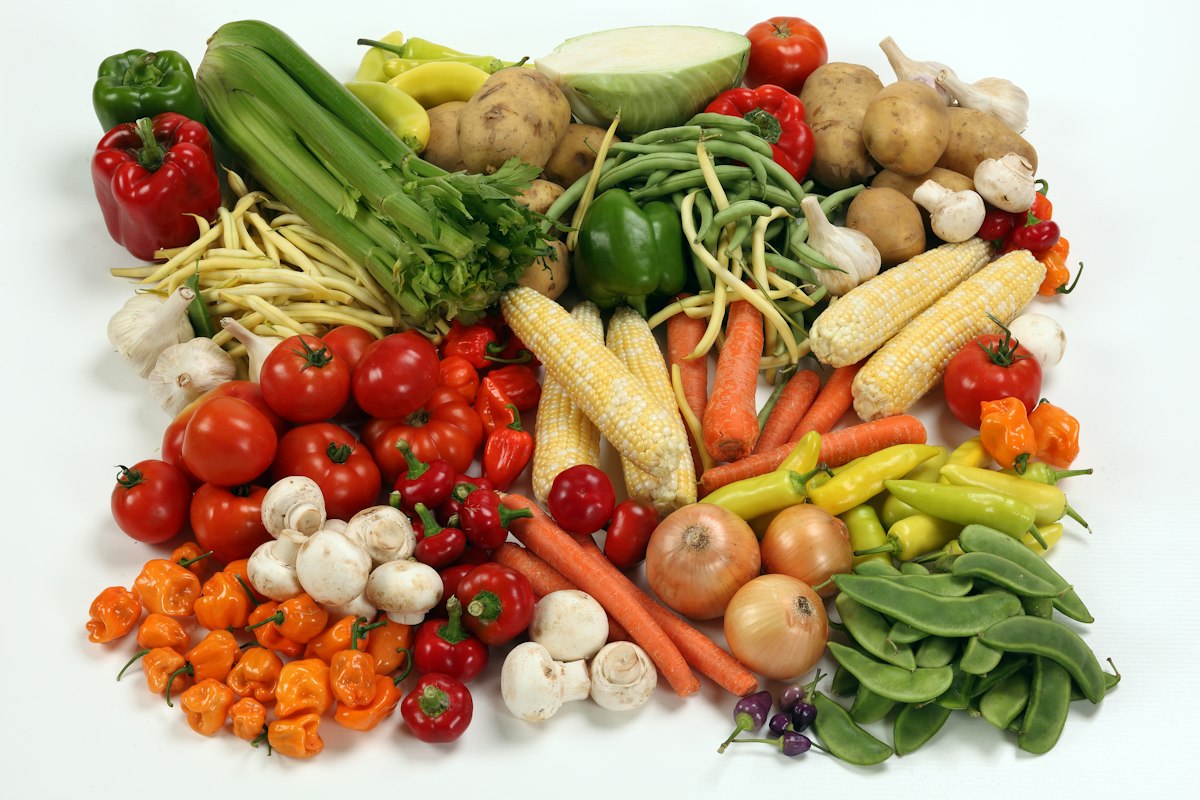
Editorial Focus
Science-backed food rankings
Not Sure Where to Start?
Our comprehensive food guides break down every major food group — with practical meal ideas, preparation tips, and nutrition context written in plain language.
Explore All Food GuidesCommon Questions About Blood-Sugar-Friendly Eating
These are the questions our readers ask most often. Our editorial team has compiled straightforward, research-informed answers to help you make confident food choices every day.
Are all carbohydrates harmful to blood sugar?
No — not all carbohydrates behave the same way. Refined carbohydrates like white bread, pastries, and sugary drinks cause rapid glucose spikes. Complex carbohydrates found in whole grains, legumes, and vegetables release energy slowly due to their high fiber content. The key is to choose the right type of carbohydrate rather than eliminating this food group entirely from your diet.
Can I eat fruit if I am managing my blood sugar?
Yes — many fruits are entirely suitable for blood-sugar-conscious eating when eaten in appropriate portions. Berries (strawberries, blueberries, raspberries), citrus fruits, cherries, and green apples have relatively low glycemic values and are rich in fiber and vitamins. The best approach is to eat fruit whole rather than as juice, pair it with protein or healthy fat, and space it throughout the day.
What is the glycemic index and how do I use it?
The glycemic index (GI) ranks foods on a scale of 0–100 based on how quickly they raise blood glucose compared to pure glucose. Foods scoring below 55 are considered low-GI, 56–69 medium-GI, and 70 and above high-GI. Using the GI as a guide — rather than a rigid rule — helps you make smarter swaps, such as replacing white rice with quinoa or basmati rice cooked and cooled for lower starch activity.
Is olive oil safe for blood sugar ?
Yes — extra-virgin olive oil is considered one of the most blood-sugar-friendly fats available. It contains no carbohydrates, so it has virtually no direct effect on glucose levels. More importantly, the oleic acid and polyphenols in high-quality olive oil have been shown to improve insulin sensitivity over time. Using olive oil as your primary cooking fat and salad dressing base supports the Mediterranean-style eating pattern consistently linked to better glycaemic control and reduced cardiovascular risk in people with or at risk of type 2 diabetes.
Can I eat fruit if I have high blood sugar?
Most whole fruits are suitable in moderate portions. Berries, cherries, apples, and pears have relatively low glycaemic loads and deliver fibre, vitamins, and antioxidants that benefit metabolic health. The key is portion size and pairing: eating a small bowl of strawberries alongside Greek yogurt slows sugar absorption significantly compared to eating dried fruit or fruit juice on an empty stomach. Tropical fruits like mango, pineapple, and watermelon have higher GI values but can still fit into a balanced meal plan when portions are kept small and combined with protein or fat.
How important is meal timing for blood sugar?
Meal timing matters more than many people realise. Eating larger meals earlier in the day, when insulin sensitivity is naturally higher, tends to result in lower post-meal glucose spikes than eating the same food late at night. Spreading meals evenly throughout the day — rather than skipping breakfast and eating a large dinner — helps prevent the dramatic glucose swings that stress the pancreas. Even a brief 10-minute walk after eating has been shown in clinical research to meaningfully reduce post-meal blood sugar peaks by increasing glucose uptake in muscle tissue.
Are artificial sweeteners a good alternative to sugar?
Artificial and low-calorie sweeteners do not raise blood glucose the way sugar does, and they can be helpful tools for reducing sugar intake during a transition period. However, research on long-term outcomes is mixed — some studies suggest that certain sweeteners may alter gut bacteria and cravings in ways that complicate weight management. The most evidence-supported approach is to gradually reduce overall sweetness preference rather than substitute indefinitely. If you do use sweeteners, stevia and monk fruit extract appear to have the most neutral profiles based on current evidence, and are generally regarded as safe in moderate amounts.
Ready to Take Control of
Your Blood Sugar Naturally?
Every meal is an opportunity. The evidence-backed strategies on Sugarfreesalathealthinfo are here to help you build lasting habits — one smart food choice at a time.