
Eat Well,
Live Well — Smart Food Choices for Blood Sugar Balance
Welcome to Sugarfreesala Health Info — your editorial guide to understanding which everyday foods help keep your glucose levels steady. We share evidence-based nutrition articles, colorful meal ideas, and practical guidance written in plain language.
- Discover the best low-glycemic foods for everyday eating
- Learn which ingredients to include and which to limit
- Build salads and balanced plates with real nutritional value
- Expert-reviewed content accessible to every reader in France
Get Weekly Nutrition Insights
Free articles, food lists & guide updates — delivered to your inbox.
Why Food Choices Matter for Blood Sugar
Understanding how nutrients interact with your body is the foundation of every smart eating decision. Here are the key pillars behind a blood-sugar-friendly plate.
Glycemic Index Awareness
The glycemic index (GI) measures how quickly a food raises blood glucose. Choosing low-GI foods — like legumes, leafy greens, and whole grains — helps keep energy levels stable throughout the day without sharp spikes or crashes.
Fiber Is Your Best Friend
Dietary fiber slows the absorption of sugar into the bloodstream, making it one of the most powerful nutritional tools available. Vegetables, beans, and whole-grain foods rich in fiber are cornerstone choices for a balanced, nourishing diet.
Portion Balance Matters
Even healthy foods can affect blood sugar when consumed in large amounts. Balanced portions — combining lean proteins, healthy fats, and complex carbohydrates — form the backbone of a sustainable and enjoyable way of eating every single day.
Top Food Categories Safe for a Sugar-Conscious Diet
These six food categories consistently appear in evidence-based nutritional guidance for people watching their blood glucose. Click any category to read more in our food guides.
Non-Starchy Vegetables
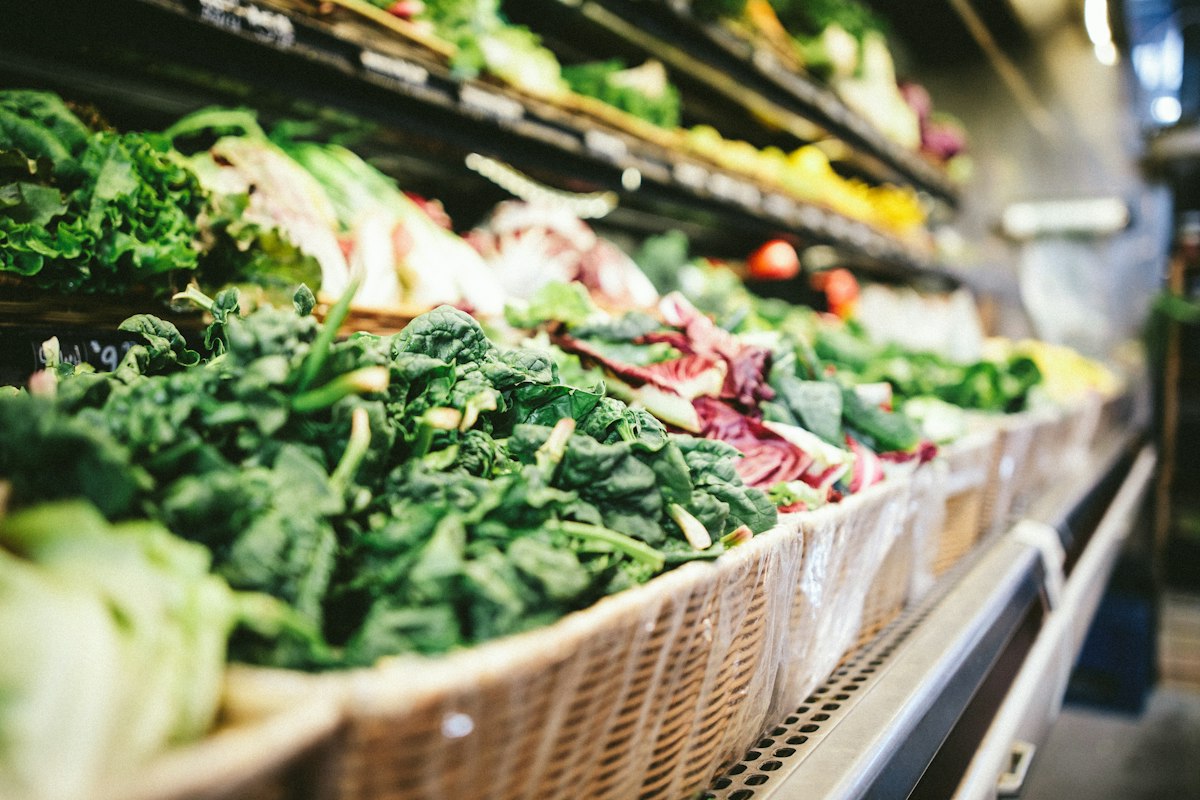
Spinach, kale, broccoli, zucchini, cucumber, and bell peppers are all low in carbohydrates and high in vitamins and minerals. These vegetables can fill your plate generously without impacting glucose levels significantly.
Read the full guideLean Proteins
Chicken breast, turkey, eggs, and oily fish like salmon and mackerel provide essential amino acids with minimal effect on blood sugar. Protein also promotes satiety, helping avoid overeating and the blood sugar fluctuations that come with it.
Read the full guideLegumes & Pulses
Lentils, chickpeas, black beans, and kidney beans are rich in both fiber and plant-based protein. Their low glycemic index makes them ideal building blocks for salads, soups, and main courses throughout the week.
Read the full guideLow-Sugar Fruits
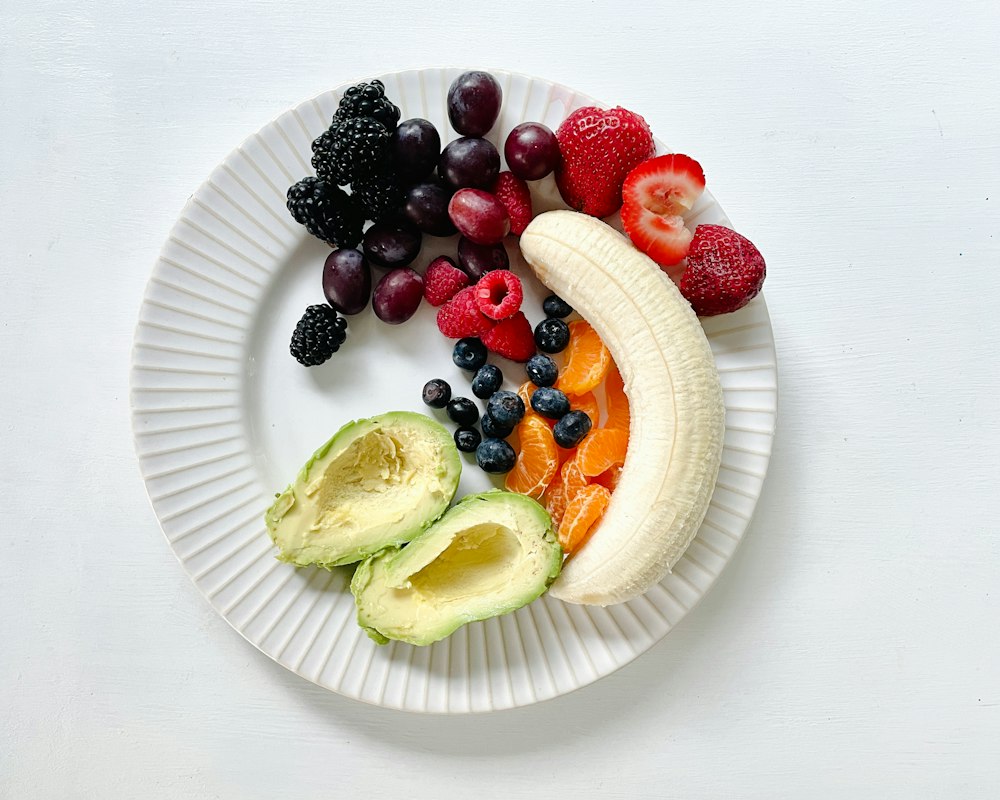
Berries — including strawberries, blueberries, and raspberries — are naturally low in sugar and high in antioxidants. Citrus fruits, green apples, and pears are also among the better choices for a fruit-inclusive balanced eating plan.
Read the full guideHealthy Fats
Avocados, olive oil, walnuts, almonds, and flaxseeds provide heart-healthy unsaturated fats that slow digestion and support steady energy. Including these fats in salads and meals significantly improves the overall nutritional profile of your plate.
Read the full guideWhole Grains
Oats, quinoa, barley, and brown rice are digested more slowly than their refined counterparts. They provide sustained energy, helping you avoid the sharp glucose peaks associated with white bread, white rice, and sugary cereals.
Read the full guideHow Smart Food Choices Help Keep Glucose in a Healthy Range
Every food you eat sends a signal to your body. Carbohydrates break down into glucose, proteins support muscle and repair, and fats slow the digestion process — all of these work together to shape how your blood sugar responds after a meal. Understanding these interactions is the first step to making smarter, more satisfying choices.
A simple approach that works for many people is the "plate method": fill half the plate with non-starchy vegetables, a quarter with lean protein, and the remaining quarter with a quality complex carbohydrate. This structure naturally limits refined sugars while providing all the nutrients your body needs throughout the day.
Combining certain foods also makes a big difference. Adding olive oil or avocado to a salad lowers the overall glycemic response of the meal. Eating protein before carbohydrates has been shown in nutritional research to reduce the post-meal glucose peak. These are small, practical habits that add up over time.
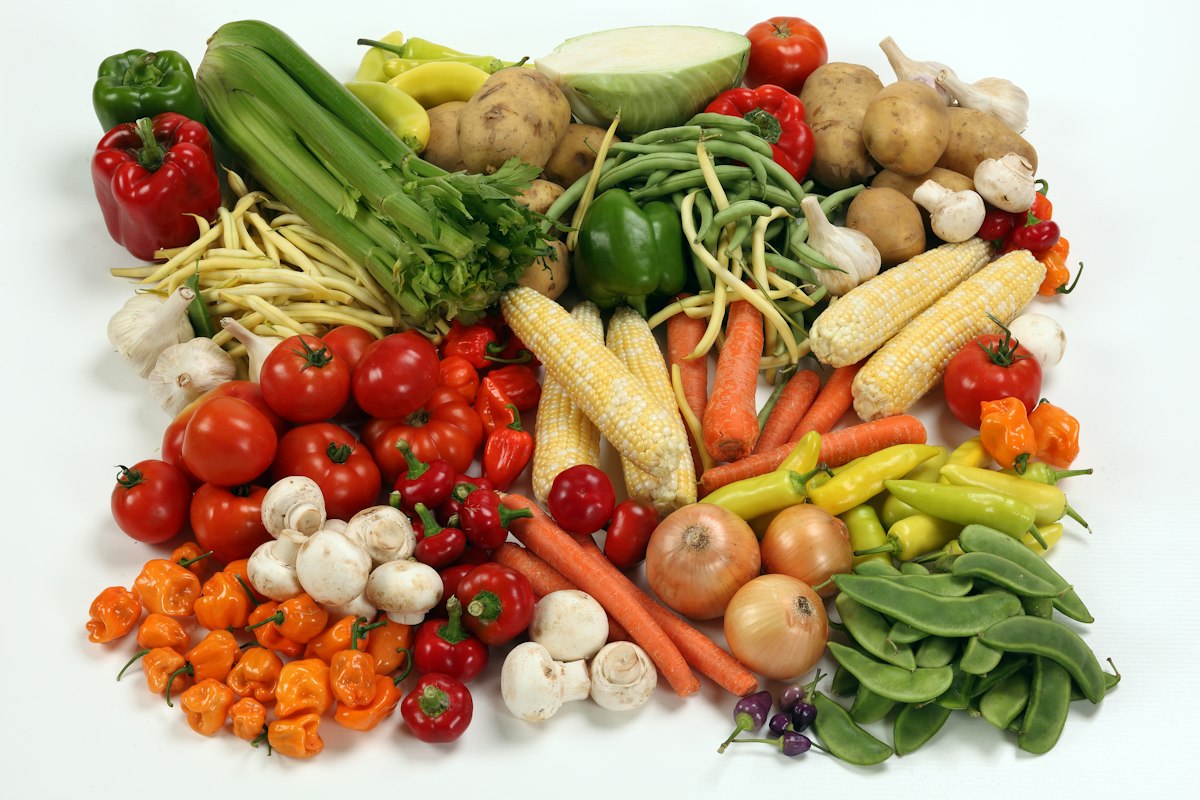
Low-GI Salads
Highlighted in our top food guide
What Makes Sugarfreesala Health Info Different
Our editorial platform is built around these core values — shaping every article, guide, and recommendation we publish.
Evidence-Based Editorial
Every article published on this platform is grounded in current nutritional science. We reference peer-reviewed research and clearly distinguish between established guidance and emerging findings.
Accessible Language
Nutrition science can feel overwhelming with jargon. Our writers specialize in translating complex concepts into clear, practical advice that anyone — regardless of background — can understand and apply.
Tailored for French Readers
Our content considers the culinary habits and food environment of readers in France, including locally available produce, traditional recipes adapted for lower glycemic impact, and seasonal ingredient guidance.
Common Questions About Eating Well for Blood Sugar Balance
Our readers ask us these questions regularly. Here are clear, informative answers based on current nutritional guidance.
Can I still eat fruit if I'm managing my blood sugar?
Yes, but the type and amount matter. Low-sugar fruits such as berries, cherries, green apples, and citrus are generally well tolerated. It's best to eat fruit as part of a balanced meal rather than alone, which helps reduce the rate at which sugar enters the bloodstream. Avoid fruit juices, which remove fiber and concentrate natural sugars significantly.
Are salads actually helpful for keeping glucose stable?
Absolutely — a well-constructed salad is one of the most effective blood-sugar-friendly meals you can eat. The key is building them with non-starchy greens, lean protein (like grilled chicken, tuna, or eggs), healthy fats (avocado or olive oil dressing), and legumes for fiber. Avoid sugary store-bought dressings and croutons, which add refined carbs quickly.
Is bread completely off the table for a low-sugar diet?
Not entirely. Refined white bread raises blood glucose quickly and should be limited. However, whole-grain breads with visible seeds, rye sourdough, and sprouted grain breads have a considerably lower glycemic index. Smaller portions paired with protein or fat (such as a slice with hummus or an egg) further moderate the blood sugar response from any bread-based food.
How does cooking method affect a food's glycemic impact?
Cooking method changes a food's structure and therefore its GI. Pasta cooked al dente has a lower GI than fully cooked soft pasta. Cooling cooked rice or potatoes before eating them increases resistant starch, which slows digestion. Steaming and boiling vegetables preserves their fiber better than frying, making those methods preferable when blood sugar balance is a priority.
What drinks are best for managing blood sugar levels?
Water remains the best beverage for overall balance. Unsweetened green tea and herbal infusions are also excellent choices. Plain sparkling water can help with hydration and satiety. Coffee without added sugar or flavored syrups is generally fine in moderate amounts. Avoid sweetened sodas, energy drinks, flavored lattes, and fruit cocktails, all of which can deliver surprising amounts of sugar quickly.
Are dairy products suitable for a blood-sugar-conscious diet?
Plain, unsweetened dairy — such as Greek yogurt, cottage cheese, and natural cheeses — can be part of a well-balanced plate. They provide protein and calcium without high sugar content. Avoid flavored yogurts, sweetened dairy drinks, and ice cream, which are often loaded with added sugar. Plant-based alternatives like unsweetened almond milk are also reasonable choices in many meal plans.
Colorful Plates That Keep Glucose in Check
Eating for blood sugar balance doesn't mean boring food. These plate ideas show how vibrant, delicious, and satisfying a low-glycemic meal can truly look.
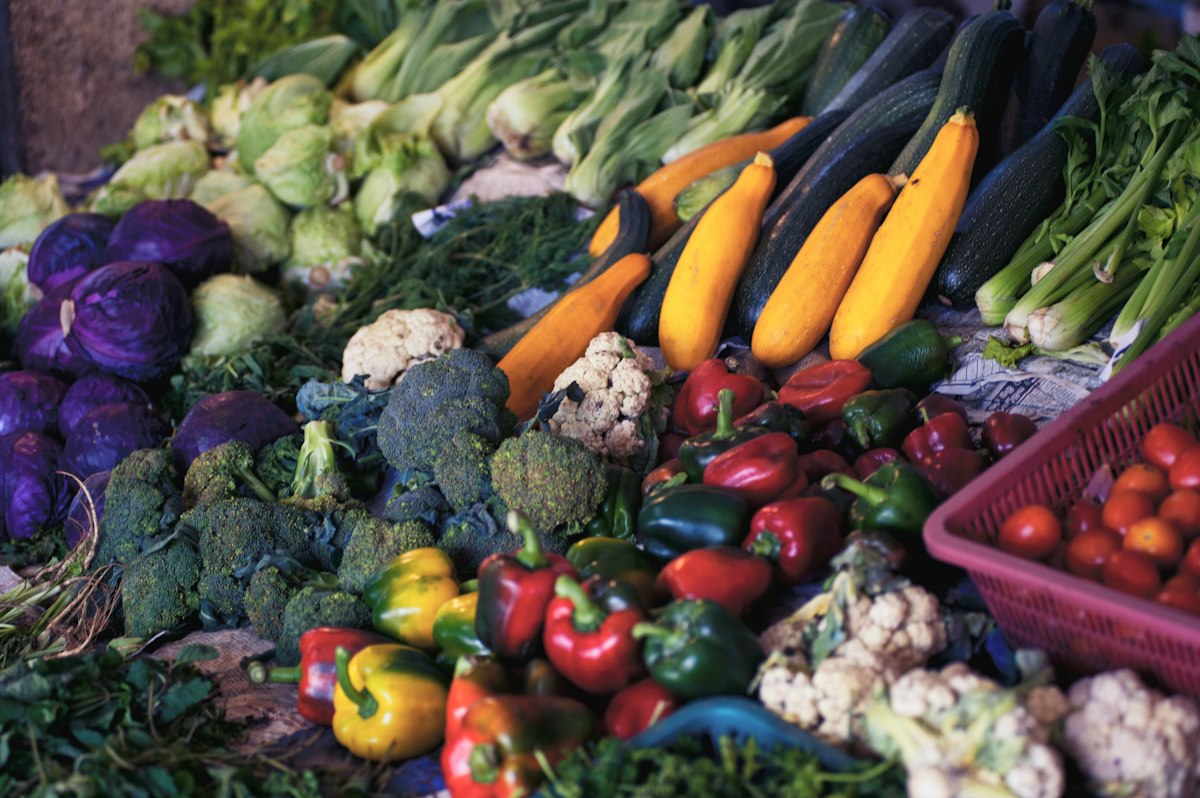
Spinach & Lentil Power Bowl
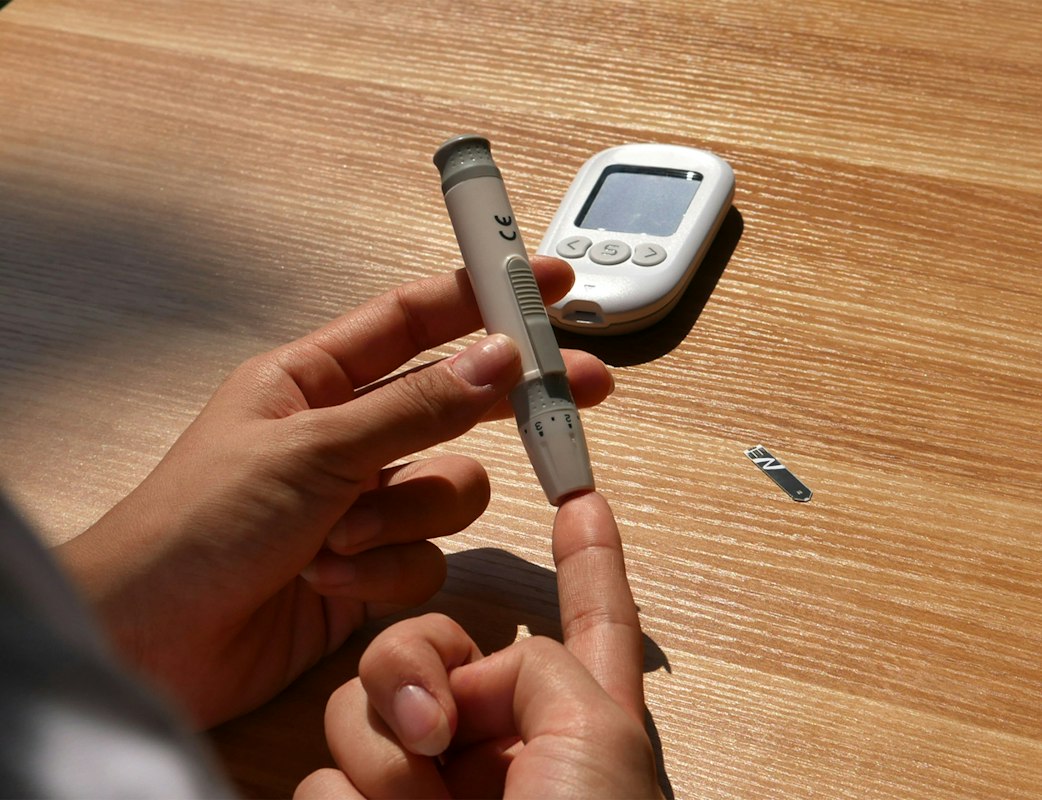
Salmon, Broccoli & Quinoa
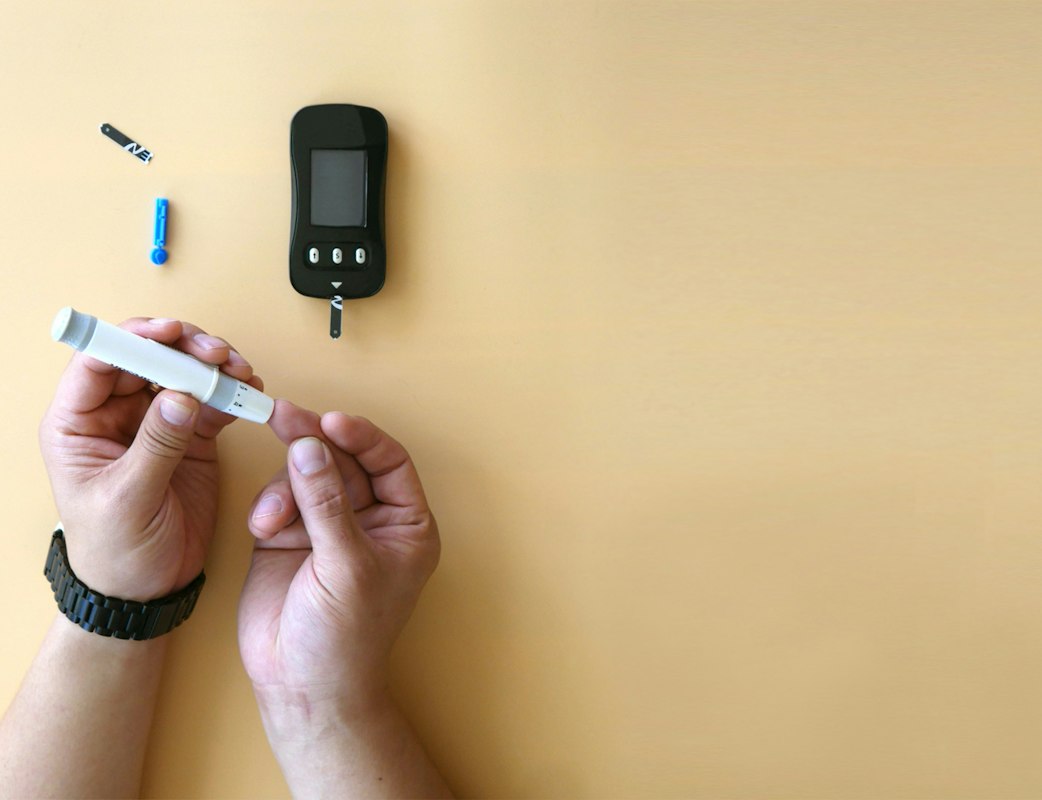
Berry & Yogurt Starter
Roasted Chickpea Veggie Bowl
Avocado on Rye Sourdough
Walnut & Apple Green Salad
What Our Community Says
Thousands of readers have transformed their relationship with food. Here's what they have to share.
"Sugarfreesalathealthinfo completely changed how I think about lunch. My energy levels are so much better since I stopped reaching for processed snacks and started building proper salads."
Maria R.
Nutritional Wellness Enthusiast
"The sugar-free recipes here are genuinely delicious — not just 'healthy tasting'. I've made the lentil salad bowl four times this month already. My whole family loves it."
James K.
Home Cook & Health Blogger
"I was skeptical at first, but the guides on reading nutrition labels alone were worth it. I now know exactly what to look for at the grocery store. Truly eye-opening content."
Sophie L.
Fitness Coach & Reader
Frequently Asked Questions
Everything you need to know about sugar-free eating and how we can help you on your journey.
What does "sugar-free" actually mean on this site?
We focus on eliminating added and refined sugars — not naturally occurring sugars found in whole fruits and vegetables. Our recipes and guides help you identify hidden sugars in processed foods and replace them with wholesome, nutrient-dense alternatives.
Are salads really filling enough as a main meal?
Absolutely — when built correctly. A well-constructed salad with adequate protein (chicken, legumes, eggs, tofu), healthy fats (avocado, nuts, seeds, olive oil) and complex carbohydrates (quinoa, sweet potato, whole grains) is both satisfying and nutritionally complete.
Is the information on this site medically reviewed?
Our content is written and reviewed by qualified nutrition professionals and is based on current dietary science. However, this site is for educational purposes only and should not replace personalised advice from your doctor or registered dietitian.
Can I follow these recipes if I have diabetes?
Many of our recipes are low glycaemic index and suitable for people managing blood sugar conditions. That said, we always recommend consulting your healthcare provider before making significant dietary changes, especially if you are on medication.
How do I get started with a sugar-free lifestyle?
Start by reading nutrition labels on packaged foods and identifying hidden sugars (look for ingredients ending in "-ose" or syrups). Swap sugary drinks for water or herbal teas, increase whole food intake, and explore our beginner recipe guides to ease into the transition gradually and sustainably.